Cleaning Your Made GarmentsMarch 27, 2026 Well, this is a little late in getting out. Sorry tech stuff was waaaaay over my paygrade, but according to the dolphin-speakers (those that are adept at tech stuff) I'm in good
shape now!!!!
WHOOPS - We had a little snafu on the video. I posted the same one on Instagram, so you can check here, for that, and hopefully I can put the video in here again. Sometimes tech gets the better of me.
But back to sewing, fabrics, and our clothes.
After all your hard work on a garment, cleaning shouldn't destroy it. Sometimes it's the hardest and worst thing you can do to your garment, so you want to avoid the cleaners if at all possible, and yet
you have this dirt or smell that has to come out. And sometimes it gets really dirty, and you're at a loss.
So what do you do?
I'm known for buying by the hand, or buying fabric because it feels good, and then
there I am with a spot on the garment thinking..."Now what is the content on this fabric?" Usually I'm pretty good about what is on the fabric just from the hand, but there are a couple of tests that make this just a little easier.
The best and most common is the burn test:
- Silk and Wool - two animal fibers, and when they burn they ask and stink - like burning sulphur.
- Linen and Cotton (and probably Vicscose and other cotton deriviatives like rayon) - these will ask and smell like wood burning - not stinking.
- Polyester and some of the more common man-mades will bubble and melt when they burn, and don't really have a noticeable odor.
- Acetate - this will flame up -
sort of like lighting lighter fluid. It's incredibly flamable which makes it totally unusuable for kids clothes. But for adult clothes it's about as close as you can get to a silk look without being silk.
- Hemp and bamboo are another plant fibers and will ash and smell like wood burning.
Certain fabrics have particular troubleshooting that you must be aware of, to help make a cleaning method that will work for the fabric you're using.
- Silk rings. By that I mean that a definite line between the dry and wet part of silk, will leave a mark around that dry/wet line. It shows. It particularly shows when it's dry and a lighter color. The darker color won't show so much, but it's still there.
SOLUTION: Silk washes beautifully, unless it's a tailored garment, then take out the
shoulder pads, and anchor in the horse-hair canvas or any interfacing, and just throw it right into the washing machine on a gentle cycle, then put it in the dryer, again on a gentle cycle and no rings. You will have to press it a little, unless you want a more crinkled look. I do this all the time to my iridescent taffeta and it makes it soft and very casual looking. If I wash it again, and take it out of the dryer a little damp (not wet, but damp), and then hard iron it, I
can get back that original sheen and crispness of the original fabric. But a light press on the dry taffeta will make the fabric very elegant, but not showy elegant and very casual. - Wool shrinks in water and more so in hot water. It's a given, unless the jacket is a boiled wool, like the Austrian Tyrolean boiled wool jacket (that became the inspiration for Chanel's French quilted jacket).
So knowing this, cleaning is your only option for treating the whole garment. If you want to spot a place, then do it gently with a gentle soap. (Woolite is not gentle, do not ever use it on Wool or any other fabric.) And if you must spot
a large part of it, after you're finished block it out on a spare bed on top of a towel for best results and keep the shape of the garment the same as before treatment.
- Delicate fabrics such as pima cotton, handkerchief linen, featherweight wool, gazaar, organdy, organza, chiffon all should probably be soaked as their weave is so light and delicate, that any agitation from a washing machine will cause runs and redistribution of the weave, that will ruin the fabric. In all these cases soaking is preferred if you must wash or spot the garment.
One drop dead test for silk is to put a scrap in a glass of Clorox Cleanup or Clorox Laundry Bleach and leave it over night. If nothing is there, it's 100% silk. If something is left, then it was a silk blend.
So that gives you a good start on your content, which can help with the cleaning. The next thing to consider is that cleaning is the hardest thing you can do to your clothing. So the more gentler the process (that means soaking) is always preferred.
Sometimes that's not possible, but if it is, soaking is always better. And if you do soak a garment, don't twist to wring out the water.
Best to put it on an oven rack (clean one), and then lift it out of the soaking tub or if you can fit the rack in and out of your washer, that's better, but let it hang over the tub or washer and drip for a while, then you can begin to dry it.
Drying is an whole other operation. I rarely use hot except on our sheets and cotton underwear. For my clothes I have a no-heat, or then just a fluff cycles that I can choose. I also have an insert in my dryer that
acts as a staionary shelf, so that the garment or item does not tumble at all. This is great for Walt's ball caps and my tennis shoes that are washable.
If you are at all just in the least big funny about tumbling a garment, there is nothing wrong with hanging it over the tub, on a hanger outside to drain and dry or laying on a flat surface on a towel blocked out. Any of those are very gentle on the garment and will dry a garment without all the tumbling in the
dryer.
Finally there are times when you must take something to the cleaners. The first thing to do, is to show them the spots or area that needs to be cleaned. They might could just spot the area, and your garment would be fine. Explain that this is a
finely made garment and that it would need delicate cleaning. If they balk or can't/don't acknowledge that they will take care, leave immediately. Most good cleaners, will say they will try and if you leave, they won't be upset. Here's where you can do some discerment and BS-detecting. If they are dancing all around, if they aren't looking at you, if they aren't even concerned about it, get out immediately. If they act like they care - even if they say they can't do
it, you've found a great cleaners. If they act like they can't clean it, you will probably not give them business this time, but be back for something else. Honestly pays - highly in the cleaning business.
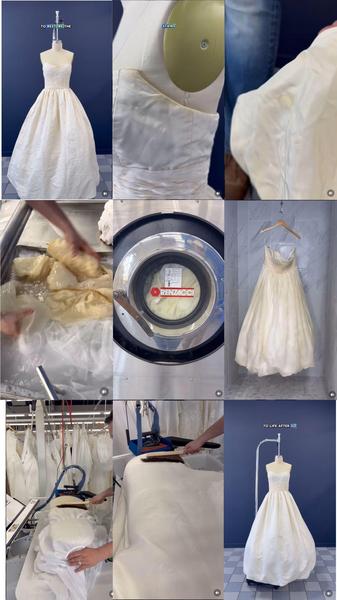
Now if you're local and in Tulsa OK or surrounding areas, Yale Cleaners looks very excellent. I've chatted with them but
haven't been over to look at their place. But the before and after cleaning their vintage brides' gowns, is just this side of miraculous. And it's done in stages, soaking and very gentle work and a lot of hand work. They are absolutely drop-dead great at cleaning. If they can't do it, it probably can't be done. This is the quality of workmanship you are looking for. It's easy to tell after a few questions if they are quality or not!
OK - so you are going to try this at home first - which would be my first recommendation. Soaking would be the first effort, and using a very mild soap like Dawn (I use the clear dishwashing Dawn) and let it soak, with a little application of water and
scrubbing with my corner-turning tool, and this works absolutely wonders.
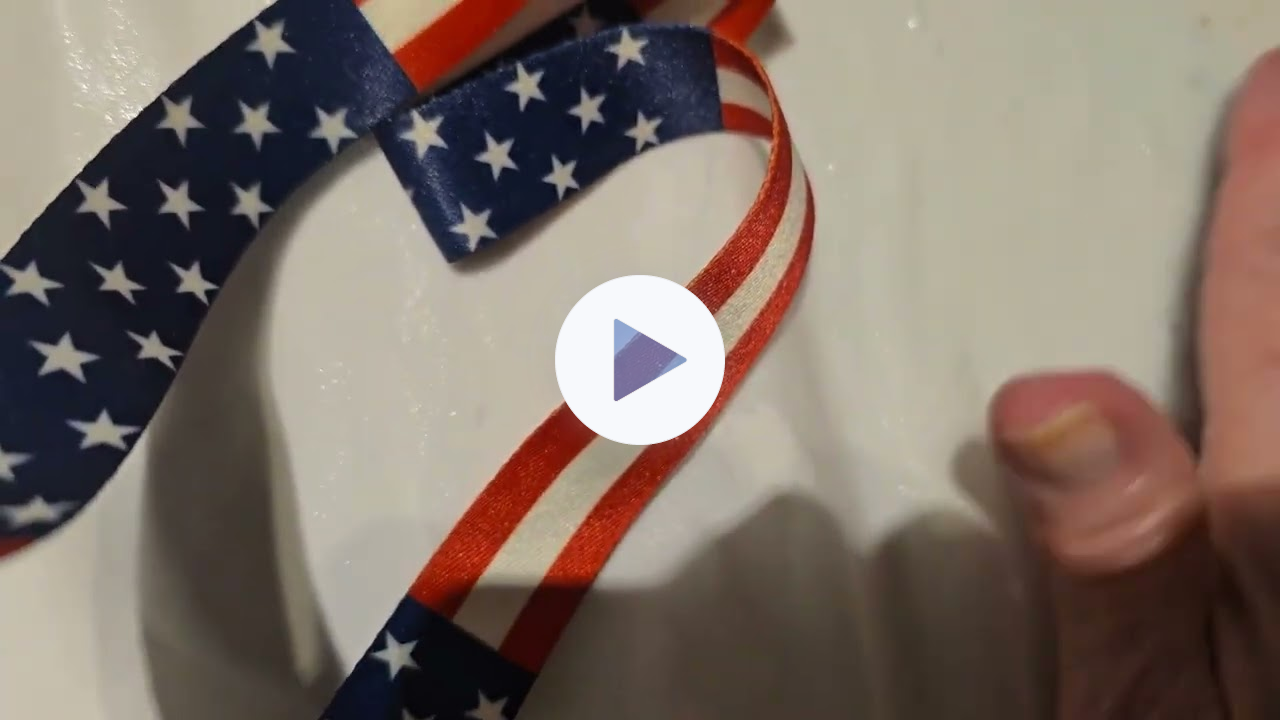
Here's a great video I did with one hand, but shows you how well my body-oil removing concoction works. This is 4 parts Baking Soda, and 1 part Dawn.
The corner-turning tool or marker has a sharp side and a duller side, and I use both depending upon which works best. In the example above,
these are our sheets, and Walt complexion has a little oil to it, and I soak them overnight every week in this baking soda/Dawn mixture, and they come out white every week. In this particular video I'm taking out a few blood spots that he seems to get every week. We're older and we bleed a little easier than we used to. You can see how successful this is in the video above. Like I mentioned in the video, I have to wonder if it's just that I'm applying a lot of soap to the dirtier area, is what gets the dirt out or what. All I know is that it works. I also use this on Walt's collars and my
collars that grab a lot of dirt and oil from our skin onto the garment, and it works very well. I usually work it in with the dull end of the marker tool and in that process itself, a lot of the dirt comes out. Baking soda is a great solution for both oil removal on any garment. It actually soaks it up, but I add water to make the process a little easier to apply and it seems to stick to the affected area better. It won't damage the color and it can me a huge headway
into removing these pesky stains that washing or soap don't seem to touch.
Don't be afraid to do a little test first too, but sometimes a little gentle water will work as well - soak the area in water, then blot it with a towel or paper towel to absorb the water and hopefully the stain and you can be surprised how much that will take out.
If that doesn't take it out, then do a soaking which will almost always take out most stains, drain on a rack, and either lay flat
to dry or if you feel comfortable enough to hang on a hanger in the shower or outside. This gentle sort of cleaning really will get most stains out. And another feature of this kind of soaking/hanging cleaning is that if the stain doesn't come out, it's not set, like it would be in the dryer, especially with a lot of heat, so it's something that you can try something more powerful with if you need to. Sometimes, I've simply soaked it twice (Yale Cleaners does that often), and
it's that second time that gets the stain out.
Of course this takes more time, and we would simply love to "blot" it out, but that time can often save a garment to the point that will allow you to wear it for another five years, and that's worth the time for an extra soak. I'm just as impatient as the next person, but so many times, I've just taken the extra time to soak it a little longer or over night, and the results can be remarkable.
Finally I can't say
enough about sodium percarbonate. This is oxygen bleach. It foams up when you first mix it up and add your garment. It is a safe bleach for colors, and I love it for my vintage bride's gowns cause it's so gentle on them. The commercial name is OxyClean, but OxyClean has some blue dot thingies in it, and it's like a "bluing" agent and I've had
those miscolor a garment before, so I stick strictly to the sodium percarbonate.
Finally, the most important thing you can do is hang your clothes after you wear them, and let them hang out the wrinkles and air out. This will take most of the odor problem in them (unless it's something you've worn outside in the garden for a couple of hours full of dirt and perspiration), and requires nothing but hanging and airing out. It's very non-intrusive, and can save your garment
most of the time. Many of my finer ball gowns and formal wear has never been cleaned, because I air it out before and after wearing. They haven't been tussled around and they show very little wear. But I treat all my clothes this way, and I wear them often and hard. But because I'm not putting them through unnecessary cleaning, they wear very well over the years. This even includes some of the more flimsy fabrics I've used. They might normally fall apart with
RTW garment assembly, but with me, they are not only in one piece but have that same crispness and newness that garments that are washed don't and can't have.
Hope all this helps you to keep your garments in tip-top shape. There's nothing worse than losing a favorite garment to the harshness of the washer and dryer or the cleaners. There's lots of options open to you, and hopefully this will give you some other alternatives that immediately thinking cleaners or the
washing machine.
|
This is a sad day - the loss of a classic tradition. Armani held the line
to fashion style that ...
Tracking a fashion trend isn't all that hard after seeing a few of them.
Living from Mid-Century Modern through Twiggy...
It's worth the time to look at these styles, particularly today as
there is a group of that wants to look....
This is the way fashion used to be -- pretty, flattering and I can't wait to make some of...
NOTE: There are some folks who can't get my email, or it's sporadic, or something is hinky. I will always respond to any of you who send a private message, whether it's about the topic of the week or something else. If you don't get anything
from me, it's probably because the [email protected] email is blocked, and even a private message can't get through. In that case, I'm on Instagram often, and you can always PM me at @sewingartistry.
As a precaution,
please ensure I'm in your email Address Book and check your spam, junk, and trash folders. Some email clients get extra excited when they see emails coming into the Inbox that go to many other receivers. They automatically think it's trash or spam, and it never makes it to the Inbox. I must constantly check my spam and junk folders to ensure I'm getting the emails I subscribe to.
To view in browser along with past emails, click here. We respect your email privacy. |
Tracking a fashion trend isn't all that hard after seeing a few of them.
Living from Mid-Century Modern through Twiggy...
It's worth the time to look at these styles, particularly today as
there is a group of that wants to look....
This is the way fashion used to be -- pretty, flattering and I can't wait to make some of...
NOTE: There are some folks who can't get my email, or it's sporadic, or something is hinky. I will always respond to any of you who send a private message, whether it's about the topic of the week or something else. If you don't get anything
from me, it's probably because the [email protected] email is blocked, and even a private message can't get through. In that case, I'm on Instagram often, and you can always PM me at @sewingartistry.
As a precaution,
please ensure I'm in your email Address Book and check your spam, junk, and trash folders. Some email clients get extra excited when they see emails coming into the Inbox that go to many other receivers. They automatically think it's trash or spam, and it never makes it to the Inbox. I must constantly check my spam and junk folders to ensure I'm getting the emails I subscribe to.
To view in browser along with past emails, click here. We respect your email privacy. |
|
|